
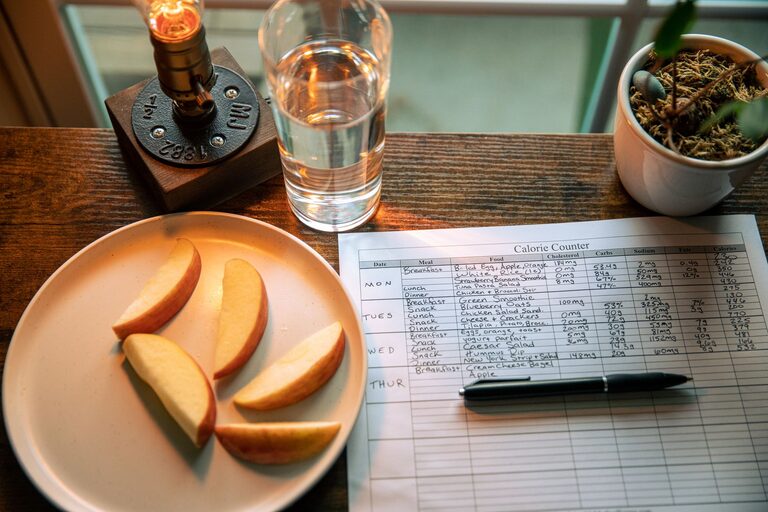
Planning balanced meals can sometimes feel overwhelming, especially with busy schedules and countless food choices. However, with a few practical strategies, you can make nutritious meal planning both simple and enjoyable. In this guide, we’ll explore how to plan balanced meals without stress, ensuring you eat well and feel good every day.
What Are Balanced Meals?
A balanced meal includes a variety of food groups in appropriate portions to provide essential nutrients your body needs. Typically, a balanced plate contains:
– Proteins: Lean meats, beans, tofu, or fish
– Vegetables: A colorful array of fresh or cooked vegetables
– Whole Grains: Brown rice, quinoa, whole-wheat bread, or pasta
– Healthy Fats: Avocado, nuts, seeds, or olive oil
– Fruits: Fresh or frozen, added as snacks or sides
Eating balanced meals supports energy, mental clarity, and overall health.
Why Meal Planning Is Helpful
Planning meals ahead saves time, reduces stress, and helps avoid last-minute unhealthy choices. Knowing what you’ll eat each day simplifies grocery shopping and keeps your kitchen stocked with the right ingredients.
Step-by-Step Guide to Stress-Free Meal Planning
1. Start with a Weekly Plan
Set aside 10–15 minutes each week to plan meals for the days ahead. This doesn’t mean detailed recipes every day but having a general idea of breakfast, lunch, dinner, and snacks.
Tips:
– Use a meal planning app, a notebook, or a printable planner.
– Consider your schedule; plan simpler meals on busy days and more elaborate ones when you have extra time.
2. Build Your Meals Around Simple Templates
Creating meal templates helps reduce decision fatigue. For example:
– Breakfast: Protein + Whole grain + Fruit
– Lunch: Protein + Veggies + Whole grain or legume
– Dinner: Protein + Veggies + Healthy fat + Whole grain
You can rotate different foods within these categories to keep variety.
3. Make a Smart Grocery List
Once meals are outlined, list all ingredients needed. Group items by category such as produce, dairy, pantry staples, and proteins. A well-organized list speeds up shopping and prevents repeated trips to the store.
4. Prep Ingredients in Advance
Set aside time after shopping to wash, chop, or cook ingredients. Prepped veggies, cooked grains, or portioned proteins make meal assembly faster during the week.
5. Keep Easy Staples on Hand
Stock your pantry and freezer with versatile items like canned beans, frozen vegetables, whole grains, nuts, and seasonings. These help create balanced meals even on days you forget to plan.
6. Use Leftovers Wisely
Plan meals that yield leftovers to save time and reduce waste. For example, cook extra chicken or rice for use in salads, wraps, or stir-fries the next day.
Tips to Stay Motivated and Avoid Burnout
– Be Flexible: It’s okay to swap meals or take a break from planning when needed.
– Involve Family: Let everyone suggest meals or help with prep.
– Explore Simple Recipes: Stick to easy, 30-minute or less recipes with few ingredients.
– Celebrate Small Wins: Enjoy the benefits of your planning, like less daily stress and improved energy.
Sample Balanced Meal Ideas
– Breakfast: Greek yogurt with mixed berries and a sprinkle of granola
– Lunch: Grilled chicken salad with mixed greens, cherry tomatoes, and quinoa
– Dinner: Baked salmon, steamed broccoli, and brown rice with olive oil drizzle
– Snack: Apple slices with almond butter
Conclusion
Planning balanced meals doesn’t have to be complicated or stressful. By adopting simple strategies like weekly planning, smart shopping, and meal prepping, you can enjoy nutritious, delicious meals every day. Start small, be consistent, and soon balanced eating will become a natural and stress-free part of your lifestyle.